
Lincoln University Addresses Needs, Uplifts Leaders with Youth Development Programming
Office of Communications and Marketing
Young Hall
820 Chestnut Street
Jefferson City, MO 65101
 Youth from Lincoln University’s 4-H and Youth Development programs pose in front of the Martin Luther King Jr. Memorial in Washington, D.C., during the Ignite 2026 conference.
Today’s students are tomorrow’s leaders, and Lincoln University Cooperative Extension (LUCE) is dedicated to supporting youth on their journey. Through 4-H and youth development programming, Lincoln helps Missouri’s youth face modern challenges, turning problems into solutions and weaknesses into strengths.
Adrian Hendricks, state extension specialist for LUCE’s 4-H & Positive Youth Development Program, said Lincoln is mobilizing youth development in Missouri, making thoughtful, intentional efforts to bring programming up to speed with the modern world.
“As state specialists, we’re excited to pull our team together and empower our educators to do meaningful work in their communities, while also contributing to solving statewide problems,” Hendricks said.
LUCE offers a variety of youth programming covering several areas, including college readiness, music, creative arts, ACT/SAT prep, career readiness, leadership, athletics and agriculture.
Hendricks noted Lincoln’s programs are designed to address real issues facing Missouri youth.
For example, Hendricks said high school graduation rates slightly decreased from 91.7% in 2019 to 91.3% in 2023, according to data from Missouri Kids Count. While not a drastic change, the decrease demonstrates the need for programs offering academic assistance to Missouri students.
Similarly, as math and science scores improve among fourth-eighth grade students, LUCE provides continued academic enrichment with STEAM and STEM support in their programs statewide.
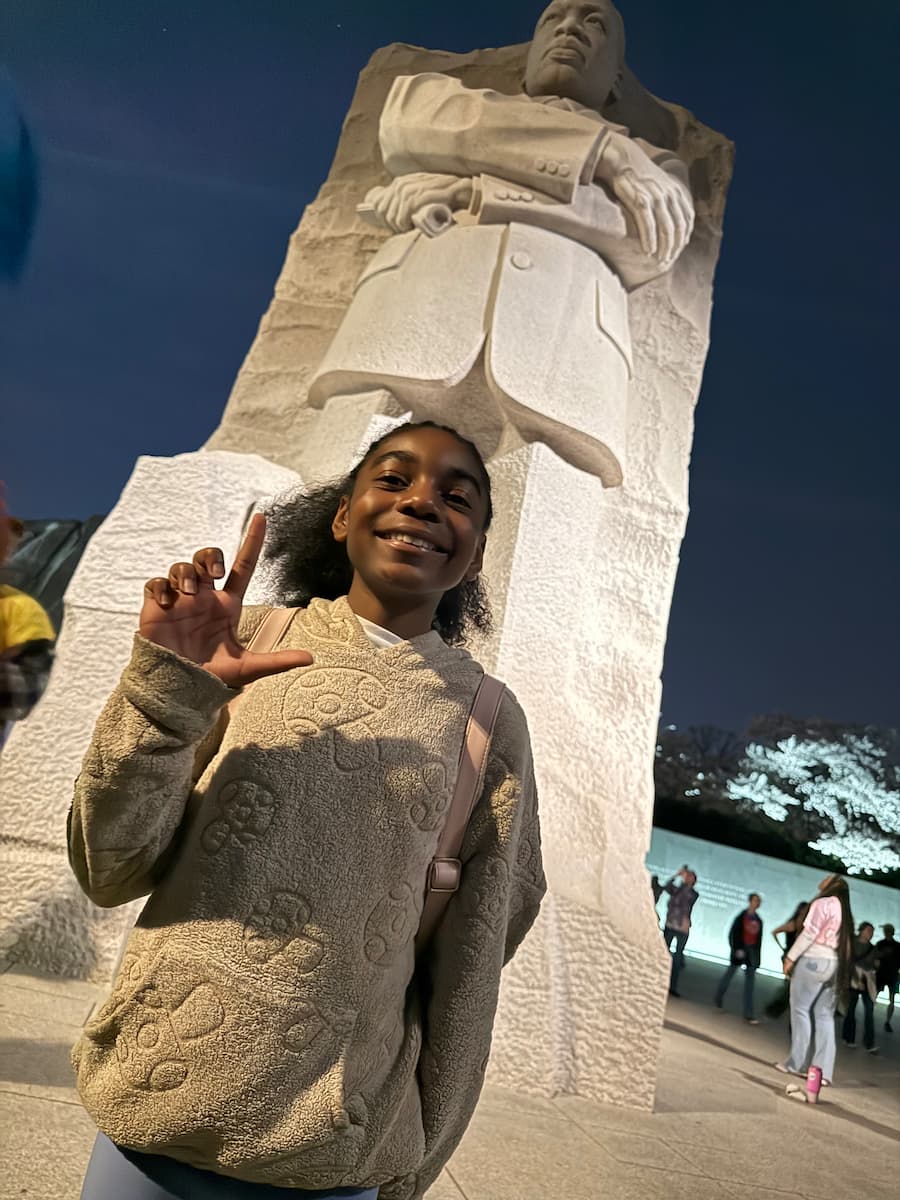 A member of Lincoln University’s group at the Ignite 2026 conference poses in front of the Martin Luther King Jr. Memorial in Washington, D.C.
STEM refers to science, technology, engineering and mathematics, while STEAM includes the addition of agriculture.
Lincoln’s outreach centers — located in St. Louis, Kansas City, Sikeston, Charleston and Caruthersville — also exist to address their communities’ needs.
Citing Missouri Kids Count data, Hendricks said 14.7% of children ages 5-17 belong to impoverished families. In response, educators at LUCE’s outreach centers work directly with youth to strengthen resilience and build critical life skills using after school programs, workforce development activities and civil engagement.
“Our approach empowers young minds with the tools and skills necessary to make an impact. This is how we solve local issues, whether that’s health disparity, mental health, academic challenges, job placement, all of those things,” Hendricks said.
At the heart of these efforts are the Beyond Ready and 1890 Youth Innovators Empowering Agriculture Across America (YEA) frameworks.
Beyond Ready is a national 4-H initiative aiming to prepare 10 million young people for future careers by 2030. The initiative is grounded in positive youth development ideology, emphasizing belonging, supportive adult relationships and active engagement.
Under this framework, LUCE is equipping youth with the knowledge and skills necessary to succeed in their education, careers and personal lives.
“We’re committed to ensuring Missouri youth are ‘Beyond Ready’ — ready for work and ready for life,” said Callie Newsom, extension associate with the 4-H & Positive Youth Development Program.
YEA is another national initiative supported by the United States Department of Agriculture’s National Institute of Food and Agriculture. With the help of 1890 land-grant universities such as Lincoln, YEA introduces middle and high school students to careers in agriculture, food and STEM, granting access to hands-on research experiences, mentorship and leadership development.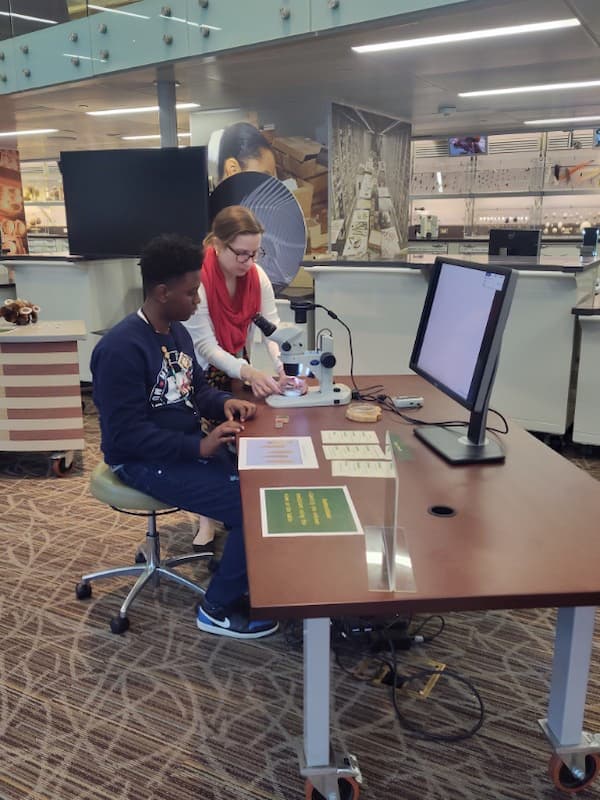 Missouri youth travelled to Washington, D.C. in March to network and develop skills at the Ignite 2026 conference.
Hendricks said these frameworks will be at the core of Lincoln’s youth development programming going forward, and he pointed to the Ignite 2026 conference as a recent example of these frameworks put into practice.
The Ignite conference, which ran from March 25-29 in Washington D.C., is a national gathering for teenagers to connect, collaborate and immerse themselves in hands-on workshops and experiences.
Hendricks went to the conference with a group of 22 participants, including youth leaders, who developed skills, built networks and established partnerships.
However, Hendricks said conferences like Ignite are valuable not just for their opportunities in the moment, but for their potential impact on communities back home.
“We bring young people for more than exposure to new places and things. They network with youth leaders from around the country, they gain practical experience and they refine leadership skills,” Hendricks said. “The aim is for them to then come back and work within their local communities to teach, lead and support other young people using the skills they’ve learned.”
This model demonstrates one of the main goals of LUCE’s youth development programming — elevating Missouri youth into leadership roles.
Through intentional and unified efforts by Lincoln University and partner organizations, Missouri youth can become the next leaders of their communities, the state and the nation — driving innovation to address the issues of tomorrow.
“Lincoln University 4-H and Youth Development is driving innovation through the merging of new programs with new technologies,” Hendricks said. “That’s one of the goals of our programming efforts. Inspiring the next generation to build new skills at the intersection of technology, leadership, creativity and innovation.”
To find an outreach center in your region, or to learn more about LUCE’s 4-H & Positive Youth Development Program, visit here.