
Lincoln University Workshops Help Gardeners Make the Most of Fall
Office of Communications and Marketing
Young Hall
820 Chestnut Street
Jefferson City, MO 65101
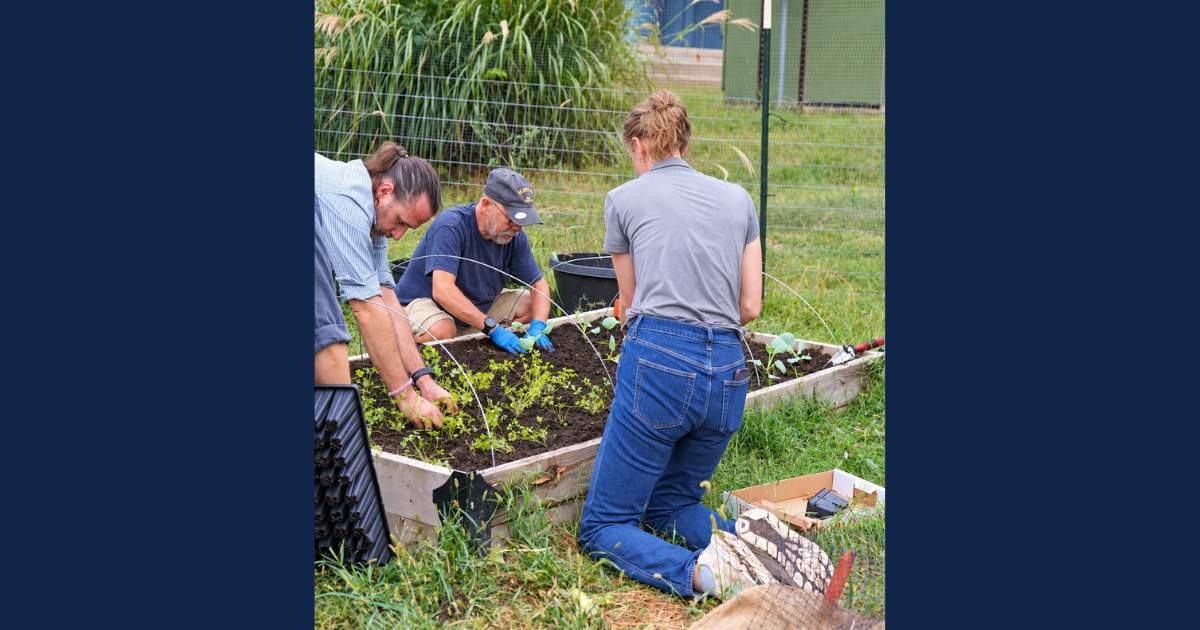 Participants plant fall crops in a raised garden bed during the fall gardening workshop series at Finca EcoFarm.
The arrival of fall doesn't have to mean the end of gardening season. Through a four-part workshop series, Lincoln University Cooperative Extension (LUCE) helped community members and students learn how to grow fresh produce beyond the summer months and prepare their gardens for an earlier spring harvest.
The workshops took place at Finca EcoFarm, an on-campus learning hub and demonstration site for LUCE's Native and Specialty Crops Program. In partnership with LUCE's Innovative Small Farmers Outreach Program (ISFOP), the series featured hands-on activities and discussions led by staff members Susan Jaster, Bryan de Valdivia and Mary Keeter, focusing on adapting planting practices as temperatures and daylight hours change.
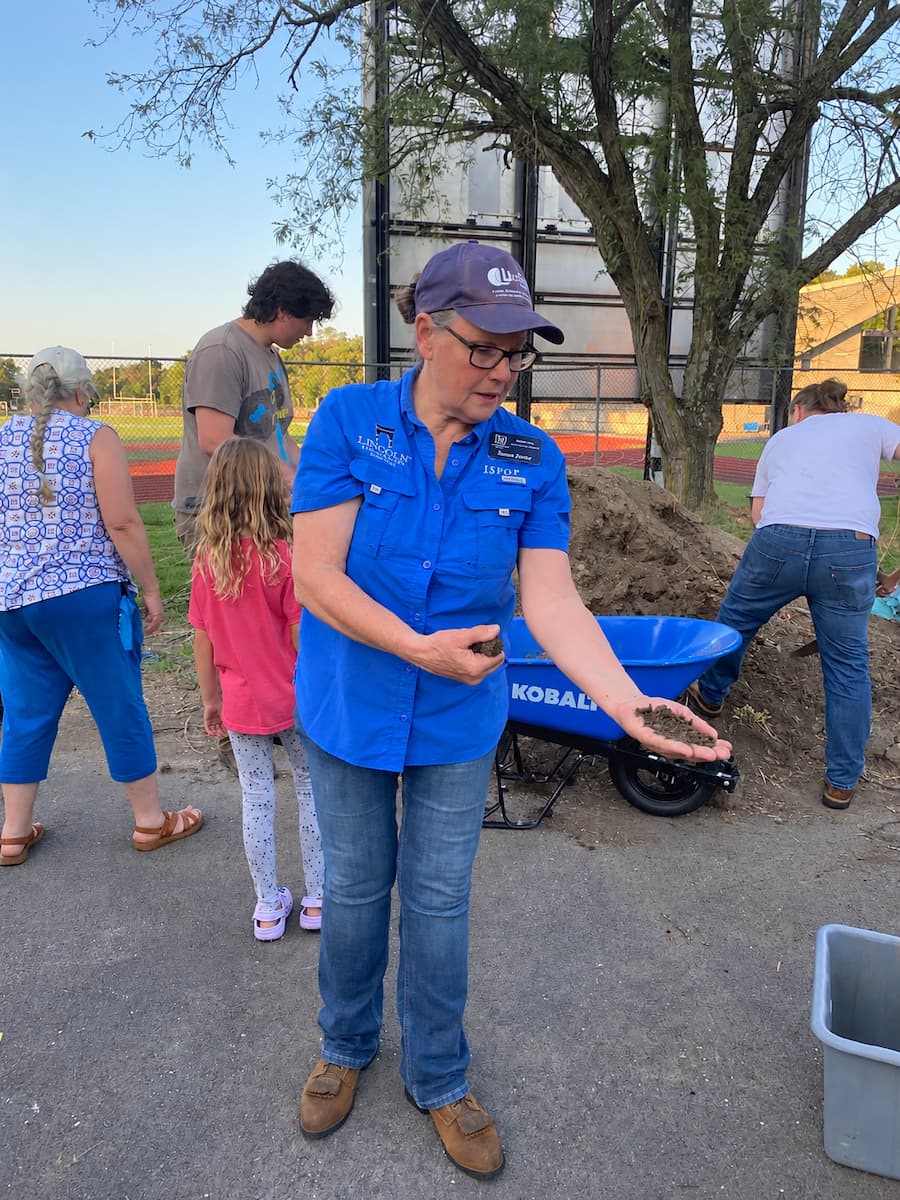 ISFOP staff member Susan Jaster demonstrates soil preparation.
“Our goal is not just to teach participants gardening techniques but to encourage them to share their experiences and learn from fellow gardeners and farmers,” said State Extension Specialist Nadia Navarrete-Tindall, Ph.D., who leads the Native and Specialty Crops Program.
The workshops began with selecting cool-season crops, such as spinach, parsley, kale, lettuce and cabbage, which grow in lower temperatures and, in some cases, tolerate frost.
Gardeners can grow cool-season crops in greenhouses, raised beds or traditional in-ground gardens. While greenhouses provide additional protection from cold weather, outdoor gardens can also support fall crops with proper planning and care.
Planting cool-season crops in late summer or early fall gives them time to become established before colder weather arrives. However, lingering summer heat can make getting started difficult. Warm soil may prevent some seeds from germinating, while those planted near the surface risk drying out before they sprout.
During one workshop, de Valdivia demonstrated how placing damp burlap over newly planted seeds helps retain moisture and keep the soil cooler during lingering summer heat.
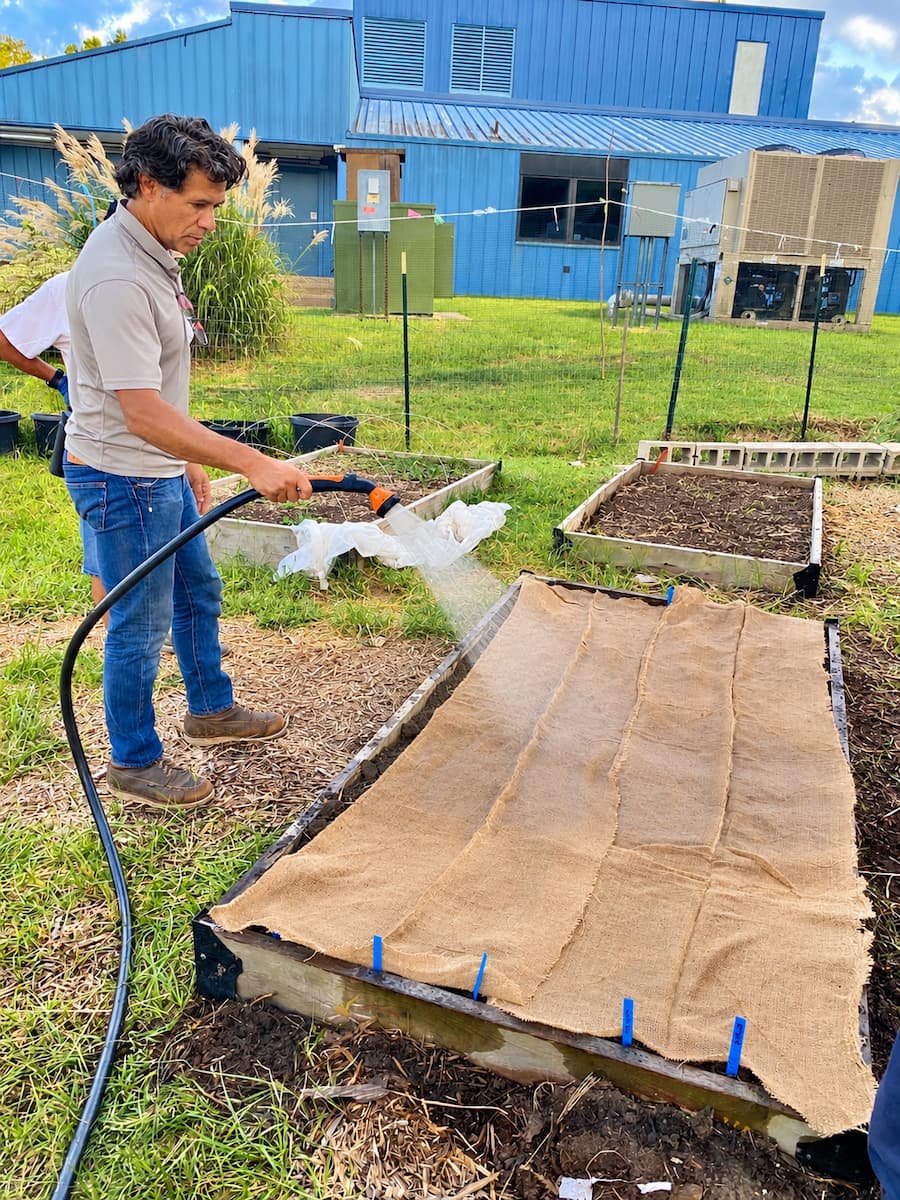 ISFOP staff member Bryan de Valdivia demonstrates how damp burlap helps protect newly planted seeds.
Keeter also emphasized the importance of keeping newly planted seeds moist, particularly during periods of warmer weather.
“Most of the seeds we plant in fall are teeny tiny, and they're right at the surface, where the soil can dry out in just a few hours,” Keeter said. “Having the burlap is going to keep the soil a little bit cooler, keep it moist. So hopefully those seeds germinate.”
Starting seeds indoors offers another approach to fall planting. Gardeners can begin growing vegetables such as cabbage and broccoli in containers or trays during summer, then transplant them outdoors when temperatures cool and conditions become more favorable. Participants also learned how gradually exposing seedlings to outdoor sunlight, wind and temperatures, a process known as hardening off, helps prepare the young plants for transplanting.
During a hands-on session, participants prepared planting beds, added compost and transplanted young fall crops. Keeter discussed the importance of watering slowly and deeply to encourage roots to grow farther into the soil, helping established plants withstand dry conditions.
Pest management remains another consideration as temperatures cool. Workshop participants examined cabbage plants for signs of damage from harlequin bugs, insects that feed on plant sap and leave discolored spots on leaves. The activity helped gardeners recognize signs of pest activity before problems spread.
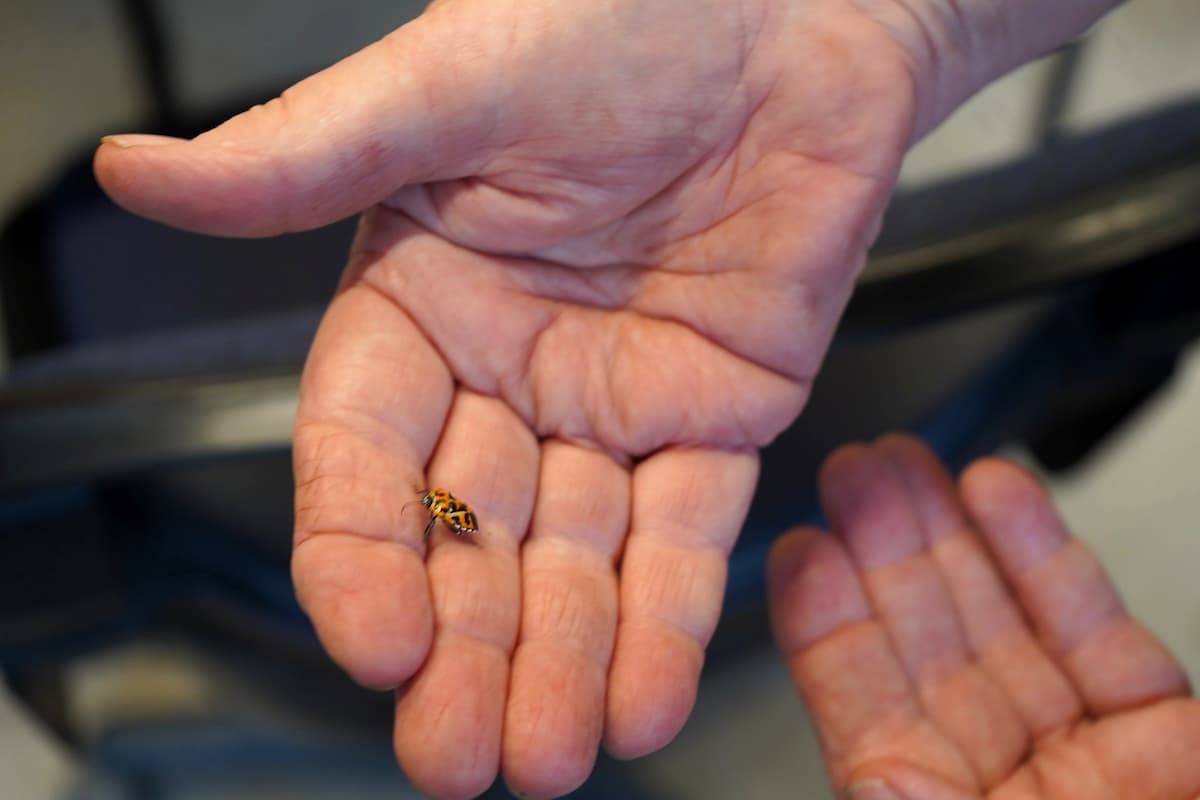 Workshop participants examine a harlequin bug while learning to identify garden pests.
As fall progresses, shorter days introduce another challenge. Keeter explained that although many cool-season vegetables tolerate low temperatures, their growth slows as daylight decreases. Planting schedules therefore play an important role in determining when crops become ready for harvest.
Depending on the crop and growing conditions, some vegetables mature during fall or early winter, while others remain in the ground and resume growing in spring. This practice, known as overwintering, allows gardeners to establish cold-tolerant crops before winter rather than waiting until spring to plant.
“By planting cold-tolerant crops in fall, we can get an earlier harvest in spring, when it's still too cold to start planting outdoors,” Keeter said.
To help protect overwintering crops, workshop instructors introduced row covers — lightweight fabric placed over garden beds, sometimes supported by hoops. These coverings help shield plants from wind and freezing temperatures while allowing sunlight, air and moisture to pass through.
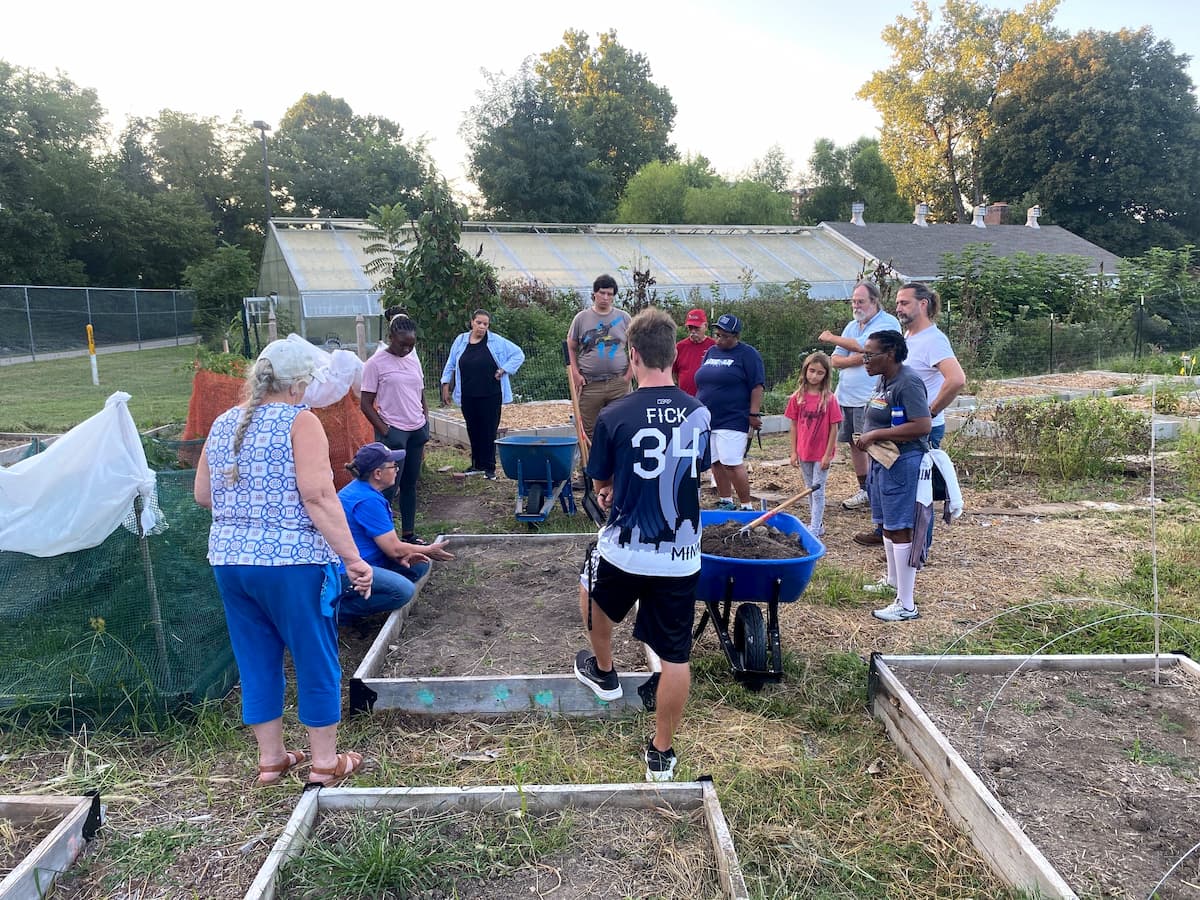 Participants gather around raised garden beds during the fall gardening workshop series at Finca EcoFarm.
In addition to teaching seasonal gardening practices, the Native and Specialty Crops Program helps local growers explore ways to market what they produce. One example is the Finca Little Market, a pop-up market at Finca EcoFarm that provides opportunities for growers to sell their produce. Those interested in upcoming market dates can sign up to receive announcements by clicking here.
To learn more about the Native and Specialty Crops Program, contact Nadia Navarrete-Tindall at Navarrete-TindallN@lincolnu.edu. For information on the Innovative Small Farmers Outreach Program, contact Mark Lucas at LucasM@lincolnu.edu.