
Lincoln University of Missouri to Lead Workforce Development in NSF Initiative with Potential $160 Million Investment
Office of Communications and Marketing
Young Hall
820 Chestnut Street
Jefferson City, MO 65101
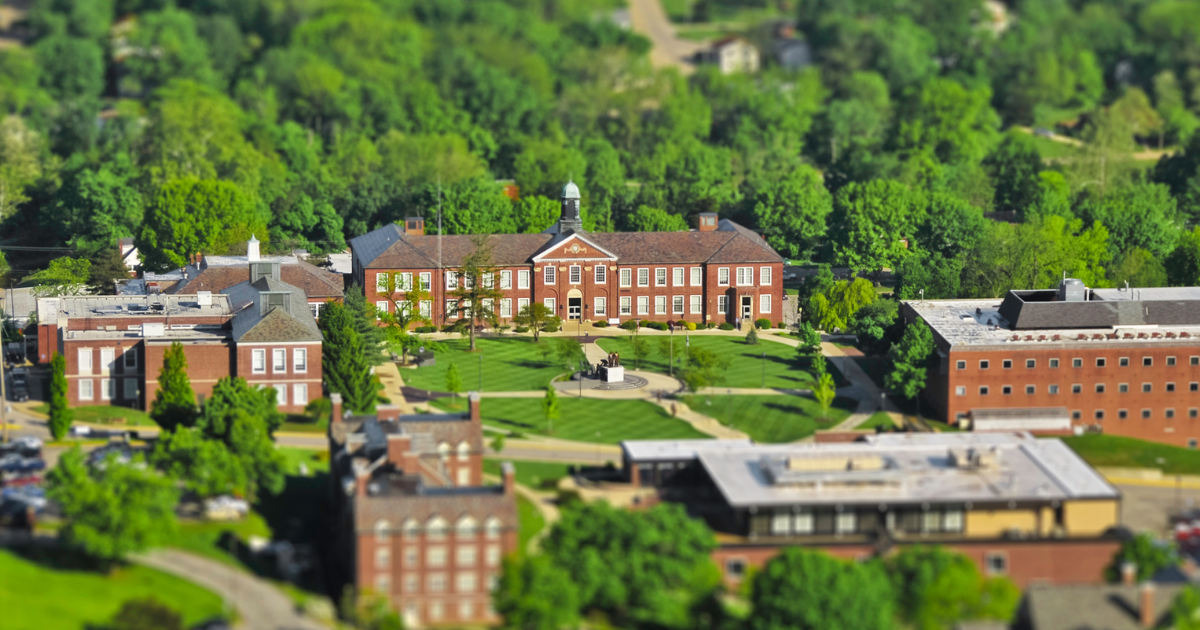 Lincoln University’s Employment Academy will expand workforce training through a historic NSF-funded initiative supporting careers in the growing critical materials industry.
Lincoln University of Missouri’s Employment Academy (LUEA) is set to offer expanded workforce training to prepare Missouri workers for careers in one of the nation’s fastest-growing strategic industries through a major investment from the U.S. National Science Foundation (NSF).
The NSF this week announced funding for its Critical Materials Crossroads Engine project, a regional innovation initiative led by the University of Missouri-Kansas City. The project received an initial $15 million award over two years and has the potential to receive up to $160 million over the next decade if it meets NSF milestones. This award is part of the NSF’s Regional Innovation Engines program and is the largest research grant in the history of the state of Missouri.
Lincoln University is one of more than 260 partners, including UMKC and the University of Missouri, participating in the initiative and will lead workforce development efforts through its Employment Academy.
The NSF Critical Materials Crossroads Engine, one of 12 innovation engines announced nationwide, seeks to establish the Missouri-Kansas corridor as a national leader in critical materials innovation, commercialization and workforce development. The initiative will focus on developing a regional ecosystem for increasing production of the metals and advanced materials that manufacturers use in batteries, aircraft engine parts, semiconductors, medical devices and other advanced technologies while reducing America’s dependence on foreign-controlled supply chains.
LUEA will help develop education and workforce pathways that prepare students and workers for careers supporting the region’s growing critical materials ecosystem.
“This investment creates exciting opportunities for Lincoln University to expand workforce training that leads directly to high-demand, high-quality careers,” says LU President John B. Moseley. “Through our Employment Academy, we will help ensure that students and workers from across Missouri have access to the education, skills and industry connections needed to succeed in this emerging sector while contributing to our nation’s economic competitiveness.”
LUEA will work with industry, higher education and community partners to develop training programs that align with workforce needs across manufacturing, engineering, logistics, research and other critical materials-related fields. The Employment Academy, launched in 2024, connects students, employers and workforce partners through career-focused education, training and experiential learning opportunities that prepare graduates for in-demand careers while supporting Missouri’s workforce needs.
The NSF initiative also supports Lincoln University's strategic vision for expanding the Employment Academy's reach into the Kansas City metropolitan region, says Darius E. Watson, Lincoln's dean of the School of Professional Studies and assistant provost for academic innovation, outreach and research. Watson is a co-principal investigator on the project.
"Securing this NSF award in collaboration with UMKC directly supports the Employment Academy's planned expansion into the Kansas City region," Watson says. "This partnership allows us to accelerate that vision by connecting more learners with workforce training that leads to high-demand careers while helping employers build the skilled talent pipeline needed to support one of the nation's fastest-growing industries."
The NSF Critical Materials Crossroads Engine is a coalition of more than 260 partners representing higher education, industry, entrepreneurship, government and workforce development organizations across Missouri and Kansas. Lincoln University joins universities, community organizations and industry leaders in building a regional innovation ecosystem designed to accelerate research, commercialization and workforce development.