
From Quinoa Leaves to Long-Term Health: LU Research Goes Global
Office of Communications and Marketing
Young Hall
820 Chestnut Street
Jefferson City, MO 65101
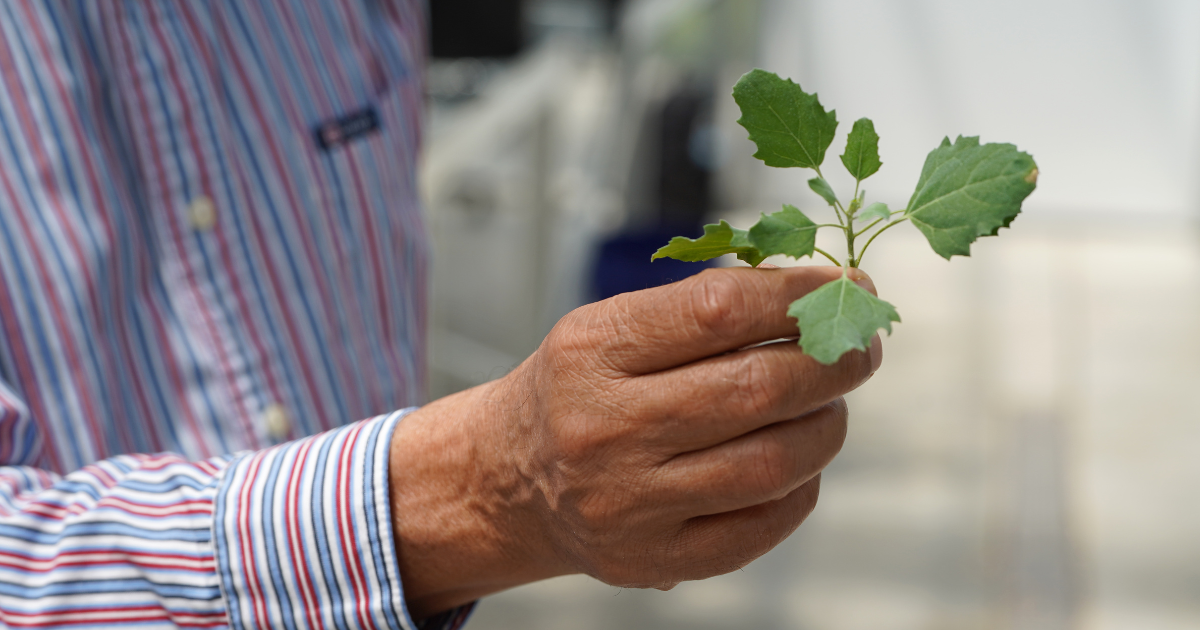 LU’s Safiullah Pathan holds quinoa leaves during ongoing research exploring the plant’s potential as a nutritious leafy vegetable in addition to its grain production.
Eating a wider variety of vegetables brings more than color to a plate — it can help support better long-term health.
Lincoln University of Missouri’s (LU) Safiullah Pathan brought this message to a global audience as a keynote speaker at the 2026 International Conference on Nutrition and Food Science in Singapore. His presentation, “Nutrients and Bioactive Compounds of Non-Traditional Green Leafy Vegetables: A Natural Path to Better Health,” focused on dietary diversity, disease prevention and the value of non-traditional leafy greens, including quinoa leaves.
While quinoa is commonly grown for grain production, Pathan’s research also explores the leaves as a nutritious vegetable — one example of how lesser-known leafy greens could help diversify diets and support long-term health.
“A single vegetable can’t provide all the necessary nutrients for our body,” Pathan said. “When you eat different types of food, you get different types of nutrients.”
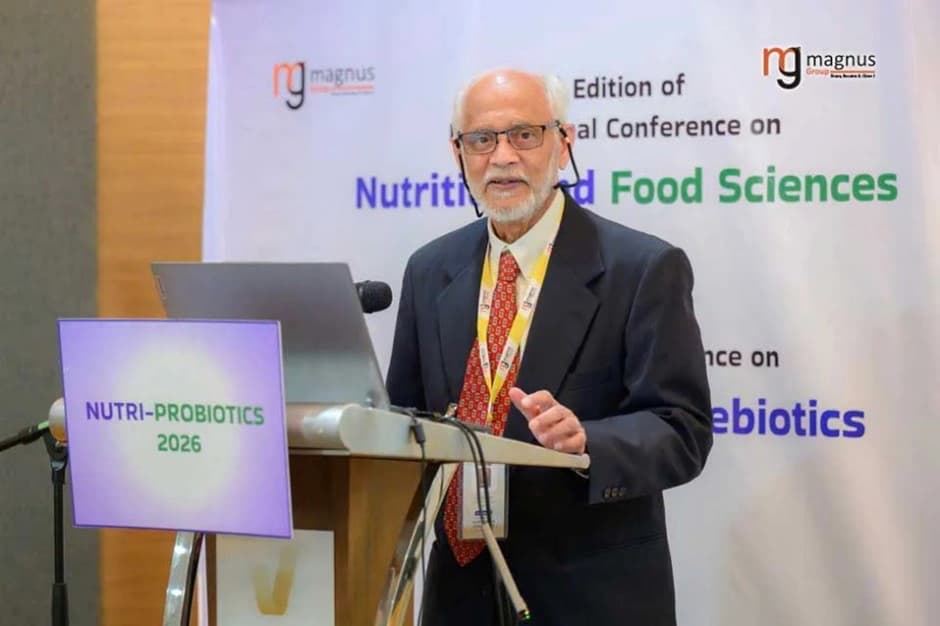 LU’s Safiullah Pathan delivers a keynote presentation at the 2026 International Conference on Nutrition and Food Science in Singapore, where he discussed the health benefits and nutritional value of non-traditional leafy vegetables, including quinoa leaves.
Pathan emphasized the importance of adding variety alongside familiar vegetables so people can benefit from the unique nutrients and bioactive compounds found in different plants.
In Singapore, Pathan expanded the discussion beyond quinoa leaves to other non-traditional leafy greens, including amaranth, Malabar spinach, lamb’s quarters, jute mallow, pumpkin leaves, sweet potato greens and moringa. He discussed how these vegetables are often affordable, locally abundant and nutrient-rich, making them valuable food sources in many parts of the world.
Throughout the presentation, Pathan also highlighted how diverse vegetable consumption can help protect against chronic illness.
“The common goal is how we can improve human health,” Pathan said. “Not after disease develops, but before — through prevention.”
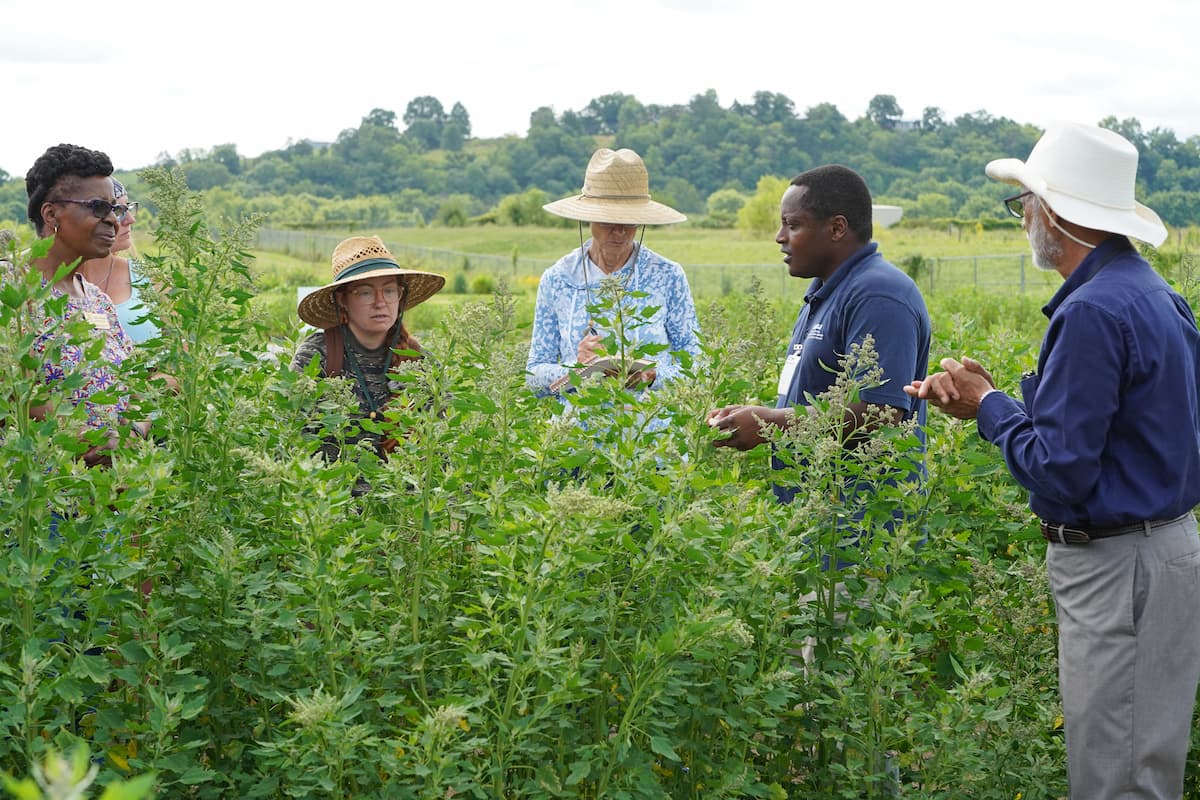 Participants tour quinoa research plots during LU’s 2025 Quinoa Field Day at the George Washington Carver Farm in Jefferson City, Missouri. The event featured live demonstrations and discussions on quinoa production and research.
Attendees expressed interest in how non-traditional leafy greens could be incorporated into everyday meals and asked about practical uses for quinoa leaves, including soups and school meal programs.
The conversations reflected the conference’s broader focus on nutrition, public health and preventive approaches to long-term wellness. In addition to delivering the keynote presentation, Pathan served as a session chair and member of the conference’s scientific committee, helping guide discussions and moderate presentations throughout the event.
Pathan said the experience also provided an opportunity to share LU research with an international audience studying nutrition, food systems and human health across multiple disciplines. He is expected to return in 2027 as a keynote speaker and member of the conference’s scientific committee.