
Lincoln University Native Plant Academy Explores Edible Species
Office of Communications and Marketing
Young Hall
820 Chestnut Street
Jefferson City, MO 65101
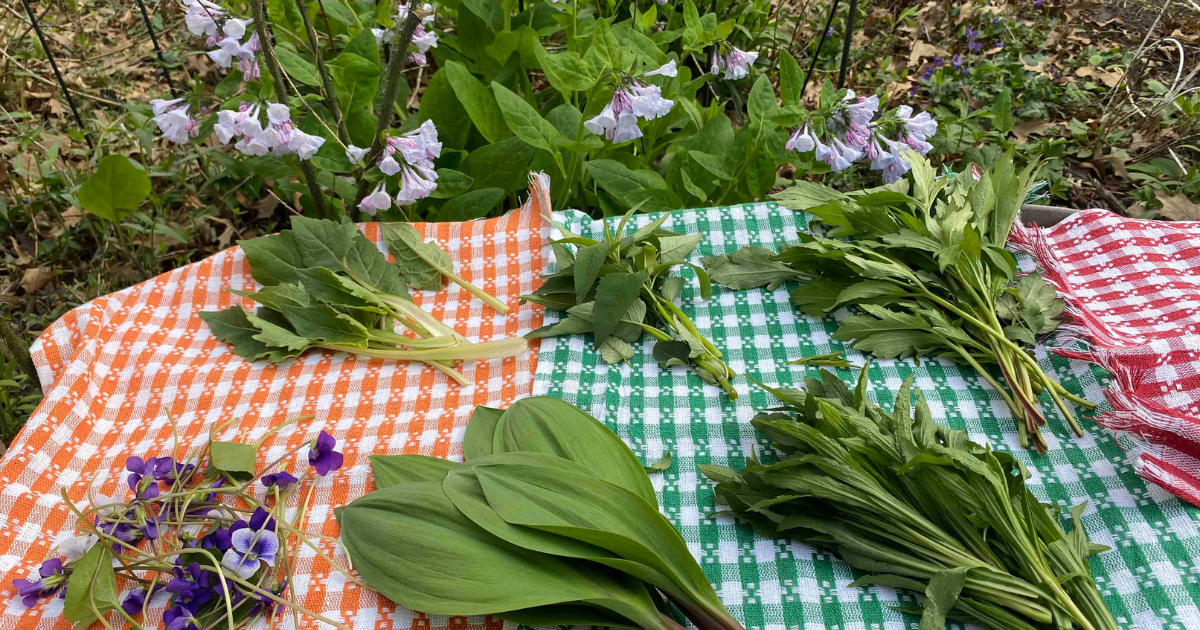 Native edible plants, including wild leek leaves, violet flowers and other spring greens, are displayed outdoors.
Native plants nourish both people and the landscapes they inhabit. This spring, Lincoln University of Missouri's (LU) Native Plant Academy explored edible native species, showing how these plants connect conservation, food and everyday life.
Organized by LU's Native and Specialty Crops Program in partnership with the Missouri Department of Conservation, the five-part academy explores a different aspect of native plants each year. This year's program introduced attendees to edible species through webinars, recipes, demonstrations and an in-person symposium on May 23 in Kansas City.
"We've seen a lot of enthusiasm," said State Extension Specialist Nadia Navarrete-Tindall, who leads the Native and Specialty Crops Program. "People are becoming increasingly interested in native edible plants and want to grow them in their own gardens and farms."
The series gave gardeners, educators, conservationists and other attendees practical guidance on identifying, growing, harvesting and preparing edible native species.
During the academy's first webinar, Tina Wurth, extension educator with LU's Native and Specialty Crops Program, encouraged the group to look at familiar plants in a new way.
"Today is not just about native plants," Wurth said. "It's about the common plants around us that we should learn more about — and start eating."
Early lessons focused on native edibles commonly found in backyards, fields, forests and other natural habitats. Wurth highlighted species such as chickweed, lamb's quarters, clover and plantain, helping attendees recognize these often overlooked, nutritious plants.
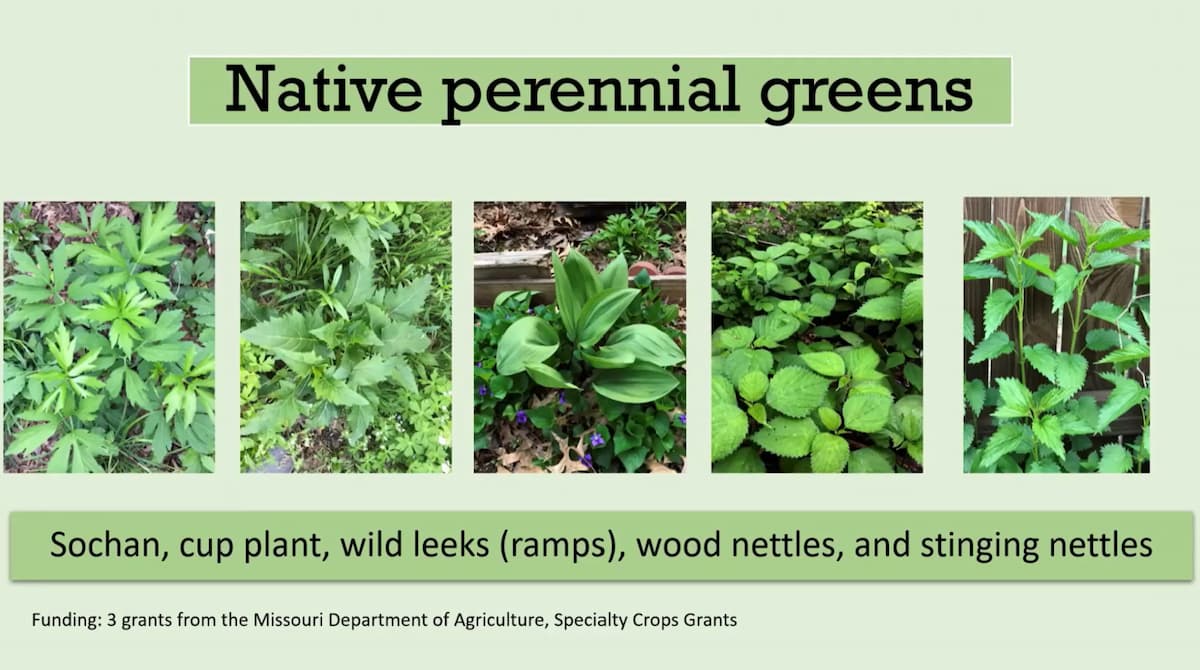 A Native Plant Academy webinar slide highlights native perennial greens.
For participant Donna Stallings, the lessons became practical when she returned home and recognized wood sorrel growing in her own yard after learning about it through the academy. The discovery led her to pay closer attention to other plants around her.
"All the things that they would tell me, I wrote it down in my notebook," Stallings said. "Then I would go research it online to get a little bit more information."
That continued curiosity helped her identify cleavers growing between her irises and reconsider day lilies she had previously viewed as ornamental but learned could also be used in cooking.
The academy also helped participants think about intentionally growing and using edible native plants in home gardens and farms. Navarrete-Tindall introduced native perennial edibles, including sochan, nettles, bergamot, wild leeks, native mints and violets, and showed how greens, herbs and flowers can be used in soups, salads, teas, desserts and cooked dishes.
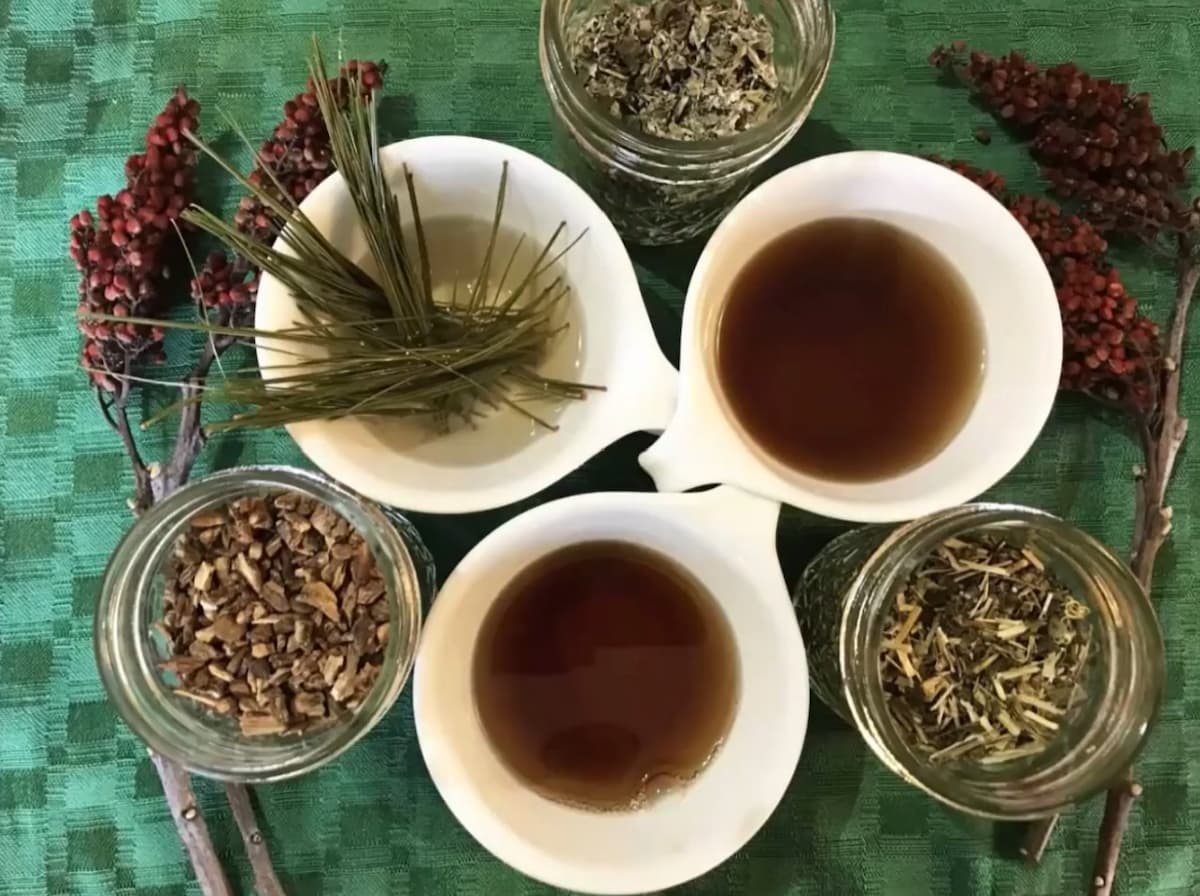
The Native Plant Academy webinar series highlighted teas made with sumac berries, pine needles and raspberry leaves.
In another session, Conservation Educator Ginger Miller of the Missouri Department of Conservation built on that theme with recipes, preparation techniques and flavor pairings for cooking with wild edibles.
"Eating wild is a connection to the seasons, to special places, the memories of harvesting outdoors," Miller said.
Participants learned how leaves, flowers and other foraged ingredients can be dried and brewed into beverages, including raspberry leaves, pine needles and passionflower. Miller explained how drying plants help extend seasonal flavors and make them available year-round.
She also highlighted additional preparations, from dandelion and violet jellies to infused honeys, seasoned salts and shagbark hickory syrup. Other examples included persimmon cheesecake and chocolate Bundt cake with pawpaw filling and spicebush berry frosting, showcasing the wide range of culinary possibilities offered by native and foraged ingredients.
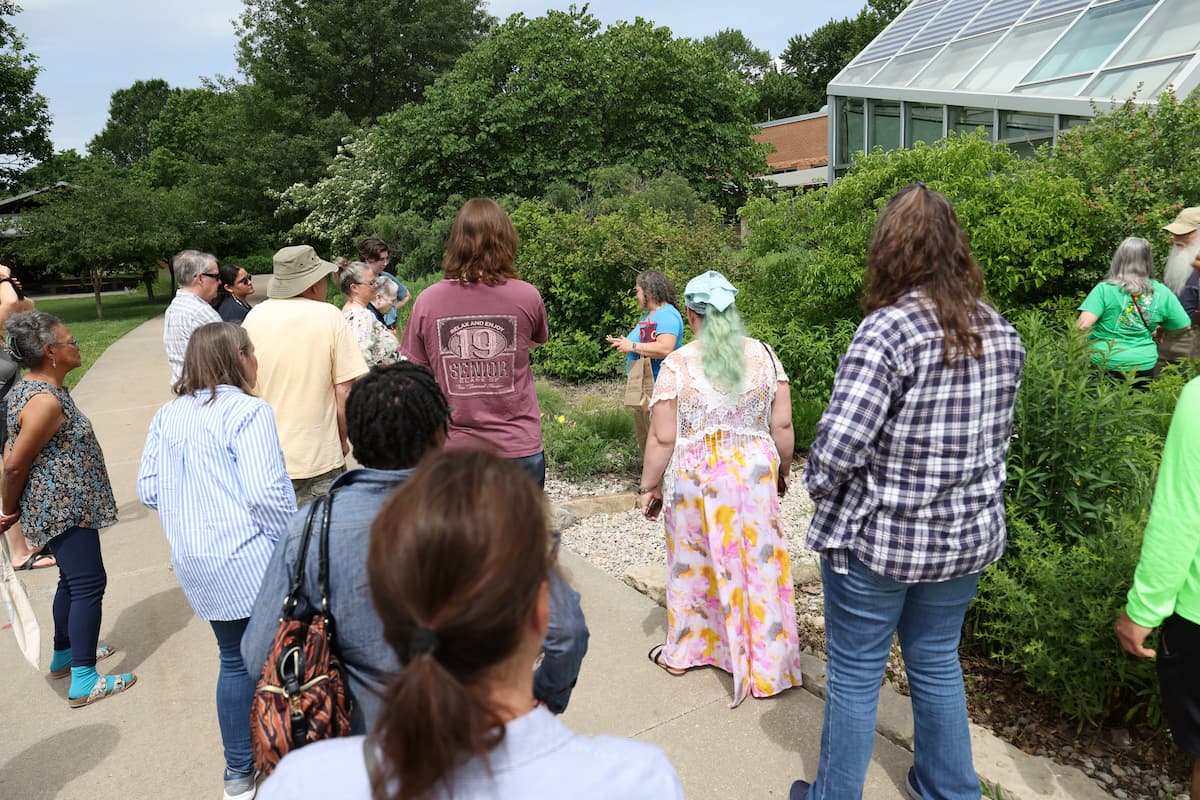 Native Plant Academy participants tour outdoor plantings during the May 23 symposium in Kansas City.
Interest in the series extended beyond virtual sessions. After the webinar series received more than 200 views, 25 participants gathered May 23 at the Anita B. Gorman Conservation Discovery Center in Kansas City for the academy's concluding symposium. The hands-on event gave attendees the opportunity to see, taste and discuss the plants they had learned about online, with instructors also answering questions during a final panel discussion.
The symposium included educational exhibits from the Missouri Department of Conservation and LU's Native and Specialty Crops Program, along with a tour of native edible plants growing on-site. Participants watched cooking demonstrations and sampled foods prepared with edible plants discussed throughout the series, connecting plant identification with practical ways to use those species at home.
Dishes included chickweed pesto, purslane salad, sochan and wild leek dip, mountain mint tea and sauerkraut flavored with native spices.
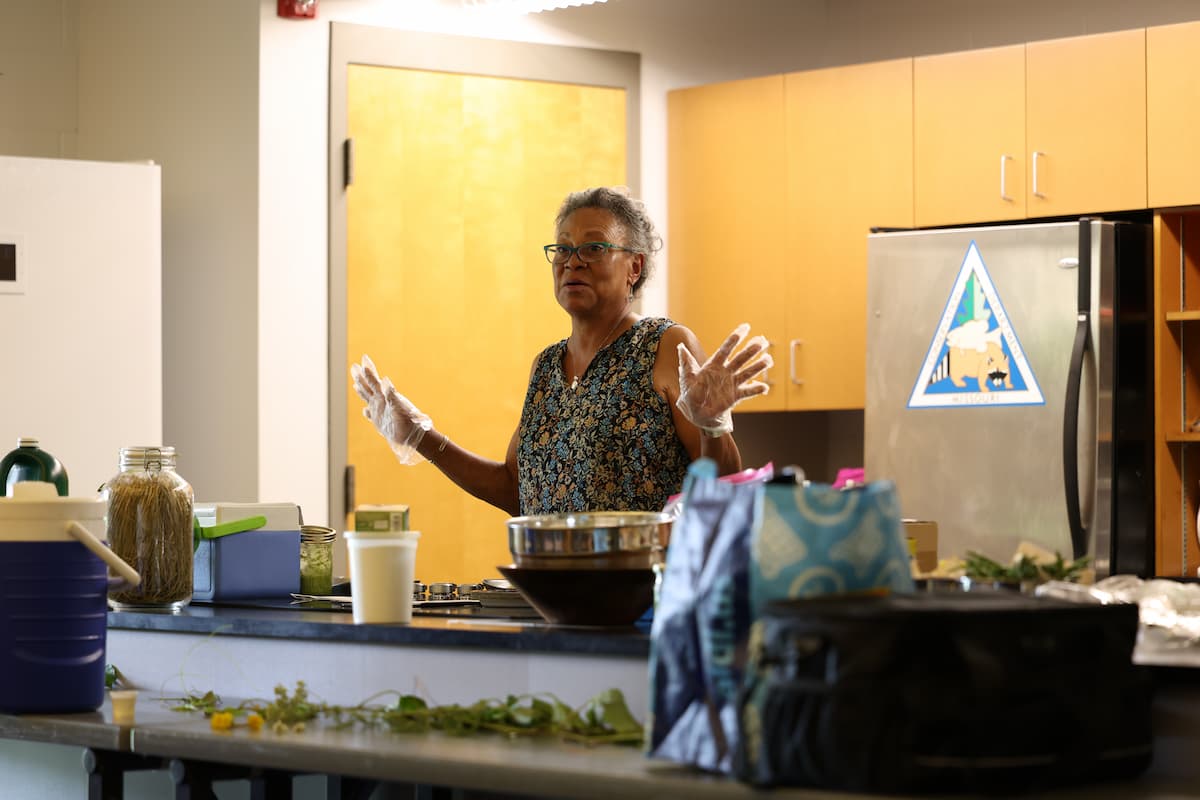 Tina Wurth of Lincoln University’s Native and Specialty Crops Program leads a cooking demonstration during the Native Plant Academy symposium at the Anita B. Gorman Conservation Discovery Center in Kansas City.
The event also featured an interactive activity with sugars, salts and spices made from native plants. At another exhibit, State Extension Specialist Jim Wetzel of LU's Aquaculture Program shared information about native crayfish, and participants were able to taste them fried.
Before leaving, participants took home native edible plants and recipes, extending the academy's lessons beyond the event and into their own gardens and community spaces.
The Native Plant Academy began in 2021 with funding from a Missouri Department of Conservation grant in collaboration with the Missouri Prairie Foundation. Navarrete-Tindall said another academy is planned for the fall, continuing the program's focus on native plant education.
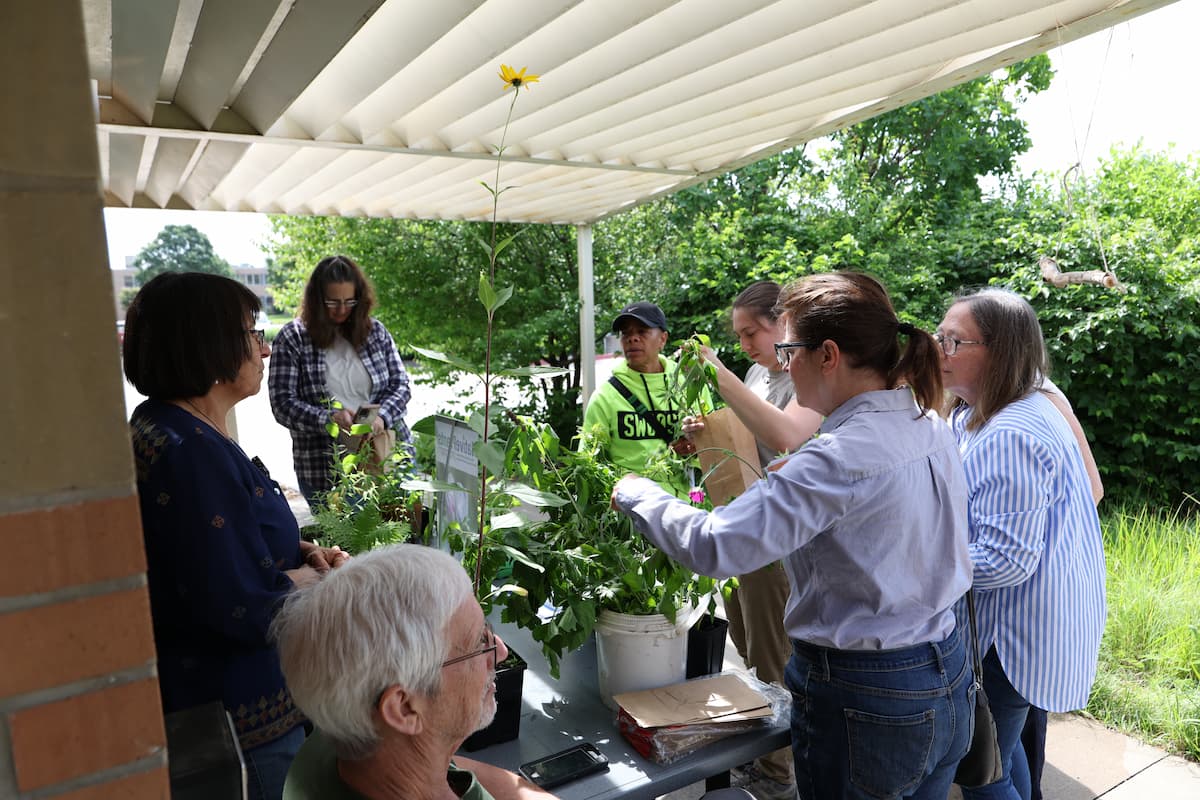 Nadia Navarrete-Tindall of Lincoln University’s Native and Specialty Crops Program, standing at left, talks with participants as they select native plants to take home at the end of the symposium.
To learn more about Lincoln University's Native and Specialty Crops Program, including upcoming activities, workshops and events, contact Nadia Navarrete-Tindall at Navarrete-TindallN@LincolnU.edu.
The Native Plant Academy recorded webinar series is available to view online.