
Serving Missouri Communities: Lincoln University Cooperative Extension Across Generations
Office of Communications and Marketing
Young Hall
820 Chestnut Street
Jefferson City, MO 65101
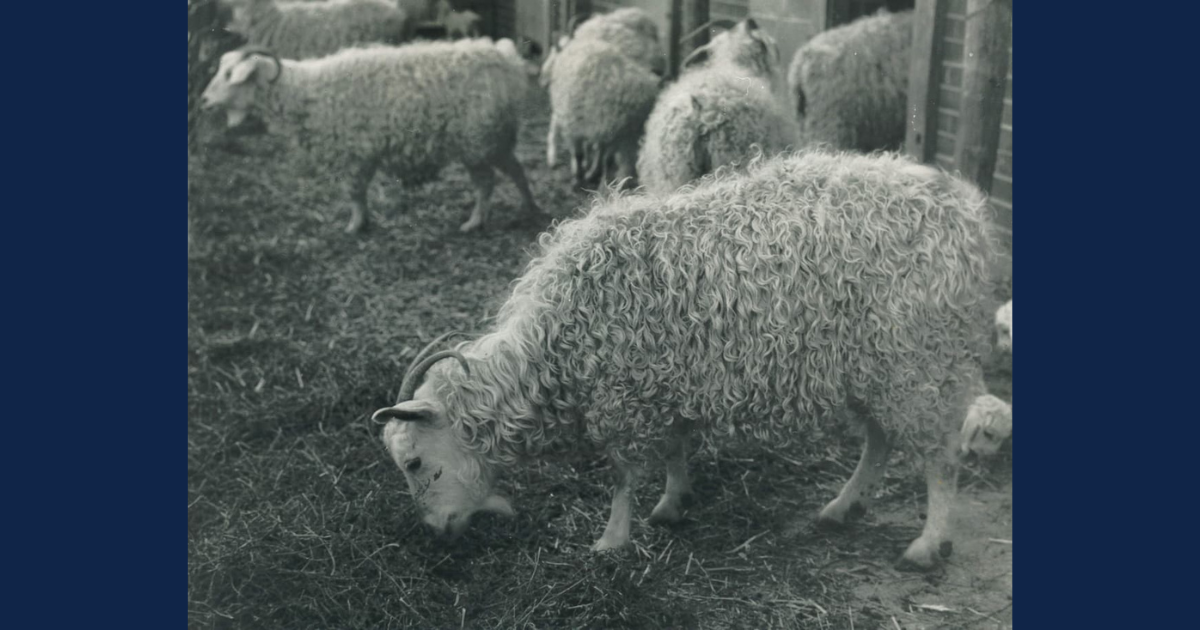 An archival photo shows sheep at a Lincoln University farm, reflecting the institution’s long-standing focus on small ruminant education and outreach.
For generations, Lincoln University of Missouri (LU) has used agriculture to connect education with everyday needs across Missouri. That mission, rooted in the university’s role as an 1890 land-grant institution, shaped the development of Cooperative Extension.
Building on decades of agriculture-based outreach, Lincoln University formally established Cooperative Extension in 1972. Programming increased in communities throughout the state, reaching people where they lived and worked and making education more available to those with limited resources or smaller operations.
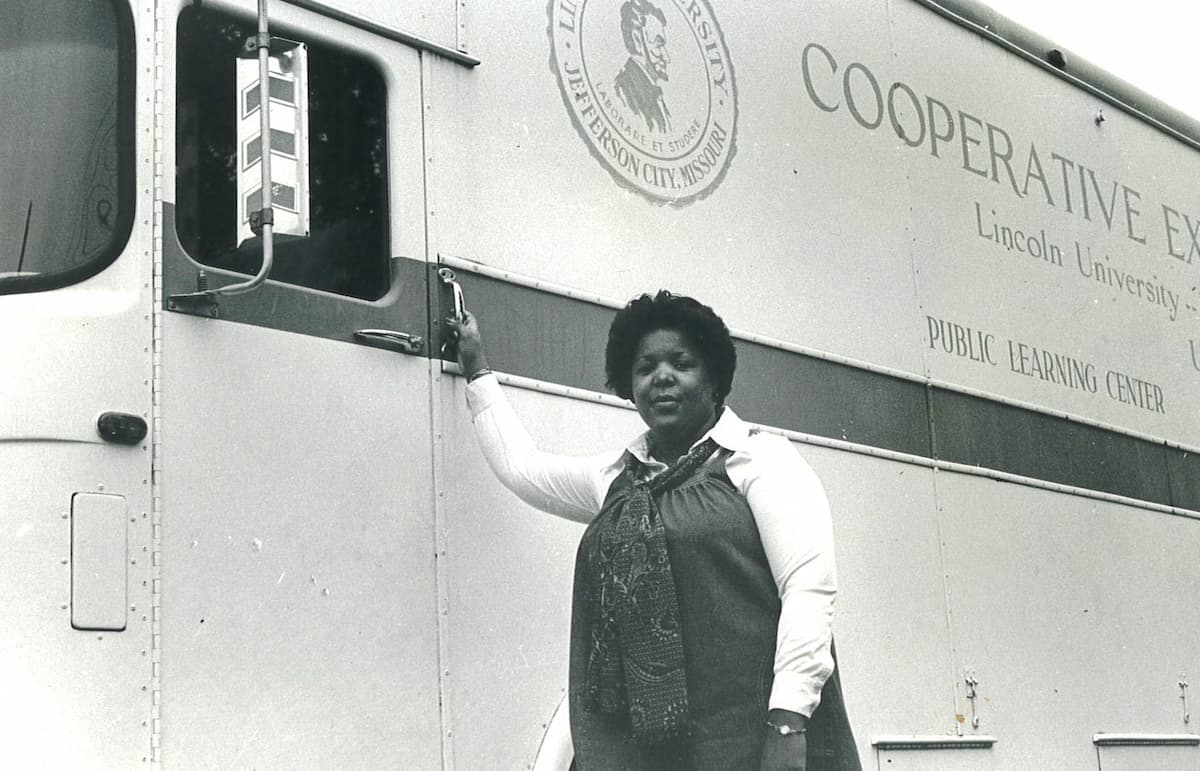 A Lincoln University Cooperative Extension vehicle used for outreach across Missouri communities, shown in an archival photo from the 1970s.
Early efforts addressed everyday practices connected to health and daily living, including nutritional education and food access. Much of this outreach focused on families and youth and continues alongside expanded work with aging populations, where Extension supports chronic disease management and quality of life.
Alongside these initiatives, Extension supported small-scale producers through practical guidance in both rural communities and urban growing spaces. As agricultural practices and markets evolved, Extension adapted its approach while remaining grounded in people’s day-to-day needs. This commitment continues today through the Innovative Small Farmers Outreach Program and other Extension programs that provide support for garden management and on-farm planning.
Over time, Extension’s work broadened within agricultural production, marketing and plant and animal sciences. Specialized initiatives developed within this framework, including the Small Ruminant Program, which became a distinct area of focus at LU and gained national recognition for sheep and goat education.
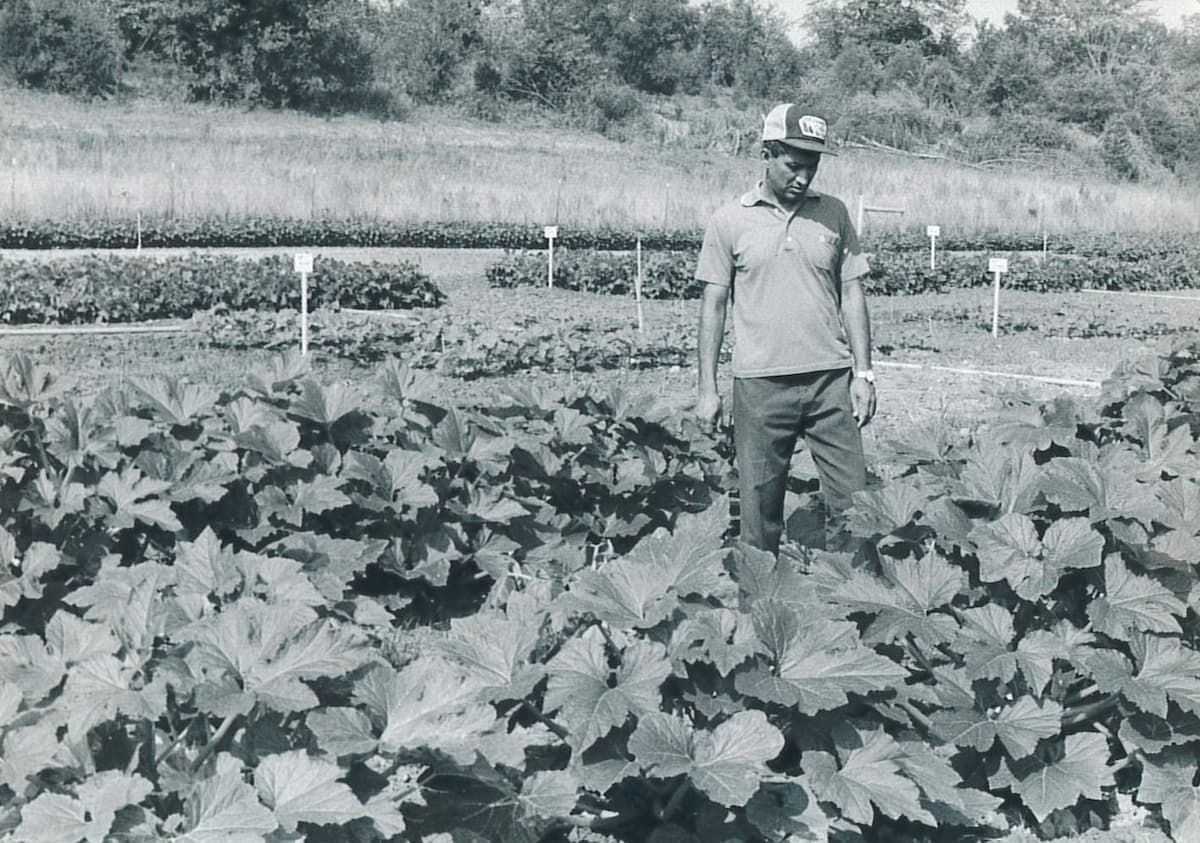 A 1970s photo of a field demonstration connected to Lincoln University Cooperative Extension outreach.
Steve Meredith, who joined Lincoln University in 1985 and later served as dean of the College of Agriculture from 2005 to 2013, points to Helen Swartz’s leadership as instrumental in advancing and strengthening small ruminant outreach.
Swartz’s service at Lincoln University began in the early 1980s and extended into the early 2010s. The initiatives she helped establish continue to shape Extension work following her passing in 2021.
“Helen Swartz was widely recognized across the state and well respected for her Extension leadership,” Meredith said. “That work helped establish small ruminant education as one of the university’s strengths.”
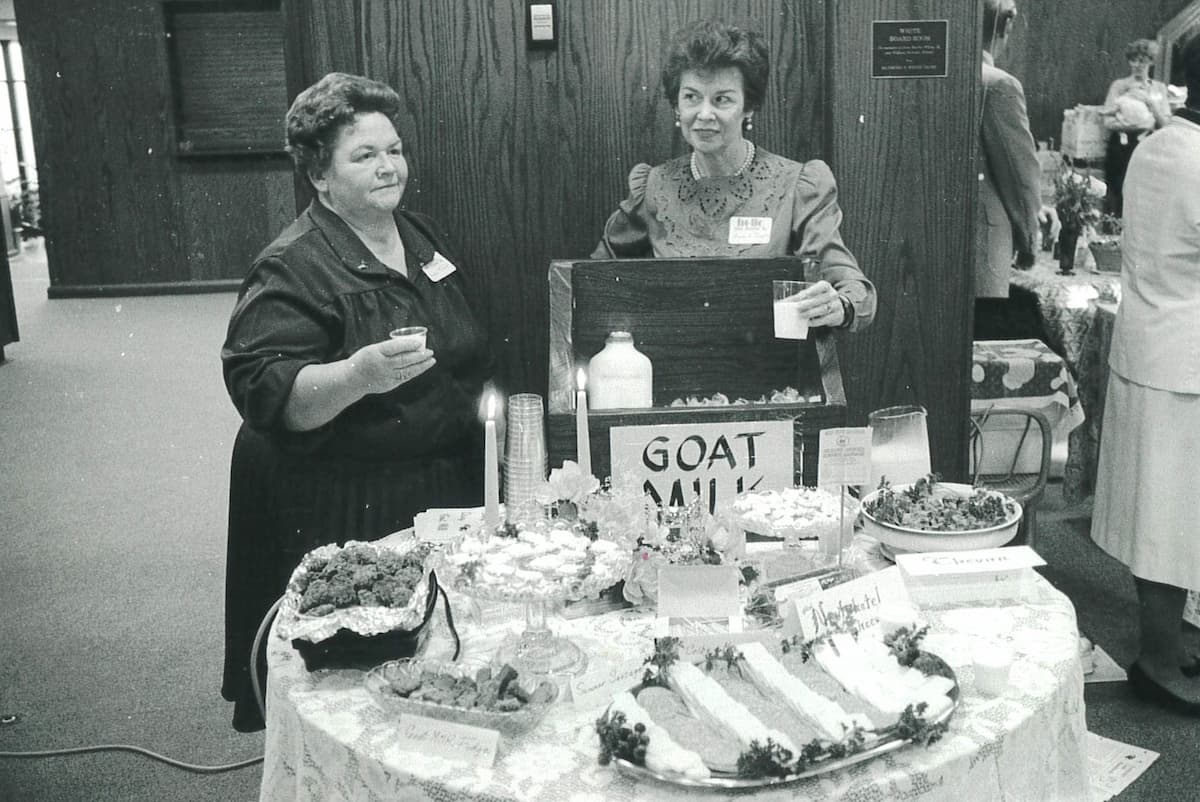 A 1980s photo shows Helen Swartz (right) promoting Lincoln University at a Missouri Goat Breeders Association event, an organization she played a key role in organizing.
The Small Ruminant Program plays a central role in sheep and goat education in Missouri, combining outreach with research focused on grazing systems, animal health and production management. Campus farms and facilities support this work, creating a setting where research and Extension efforts intersect.
“The research we conduct at Lincoln University gives us real examples we can take back to producers,” said LU Farm Superintendent Chris Boeckmann, who oversees the institution’s three farms. “Having the right infrastructure in place opens the door for new opportunities.”
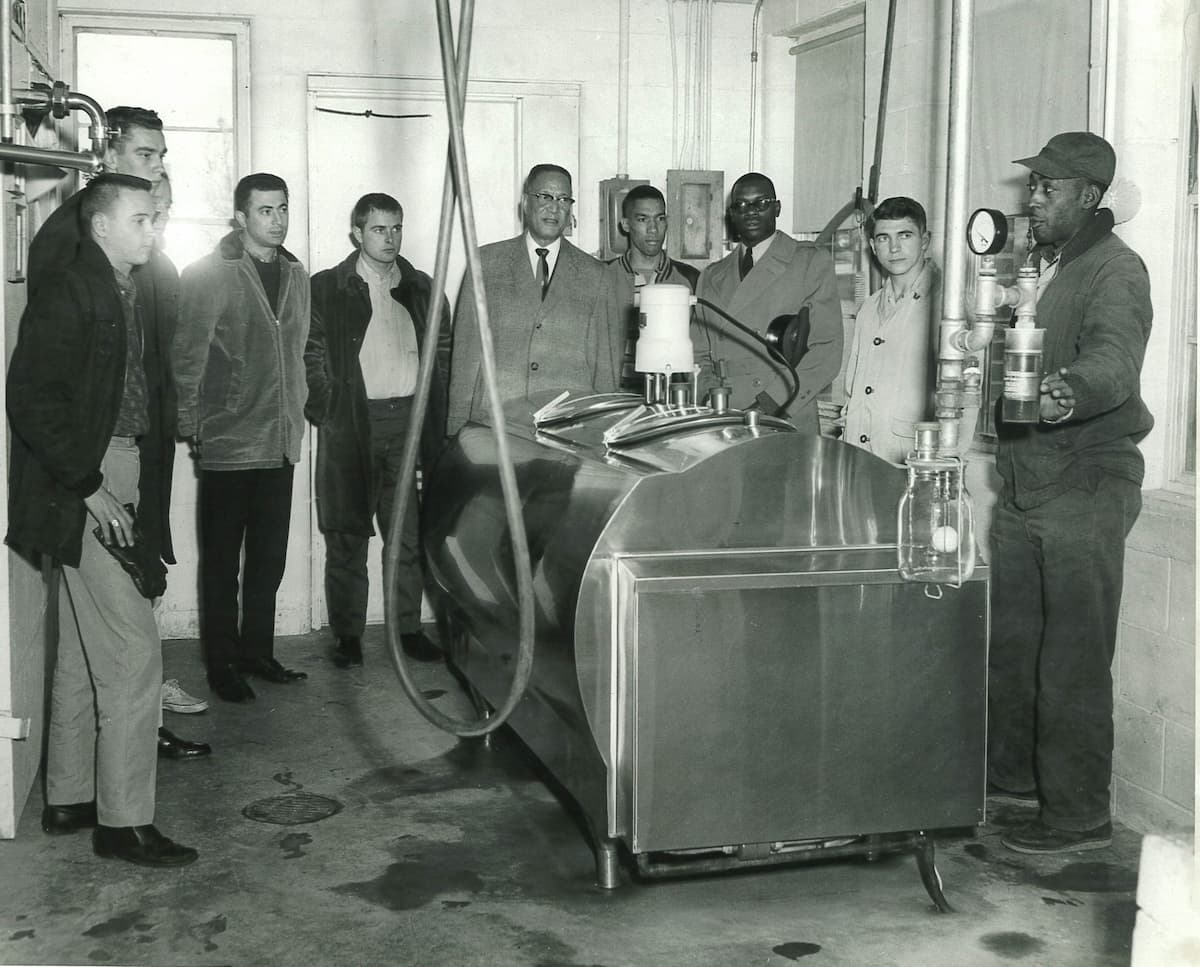 Before becoming the university’s first dean of Cooperative Extension and Research in 1972, James N. Freeman (middle) stands with community members during a demonstration of a new dairy milk cooler at Lincoln University. The farm that bears his name now supports LU’s developing meat processing facility.
Building on this foundation, LU is developing a meat processing facility — the first in the university’s history — at its James N. Freeman Farm location in Jefferson City. The facility will be capable of processing cattle, hogs, goats, sheep and organic meats, while including dedicated space for research, Extension activities and classroom instruction. Together, these features are intended to support workforce development, value-added opportunities for producers and certificate-level training in meat processing.
Lincoln University Cooperative Extension has carried forward a commitment to practical education shaped by the people and producers it serves. Rooted in the university’s 1890 land-grant mission and strengthened through the formal organization of Extension in 1972, this work connects research and outreach across Missouri. As Extension continues to adapt, it remains anchored in long-standing relationships, reinforcing its role as a trusted partner in education, outreach and opportunity.