Careers in Sustainable Agriculture: Why Now is the Time to Start
Office of Communications and Marketing
Young Hall
820 Chestnut Street
Jefferson City, MO 65101
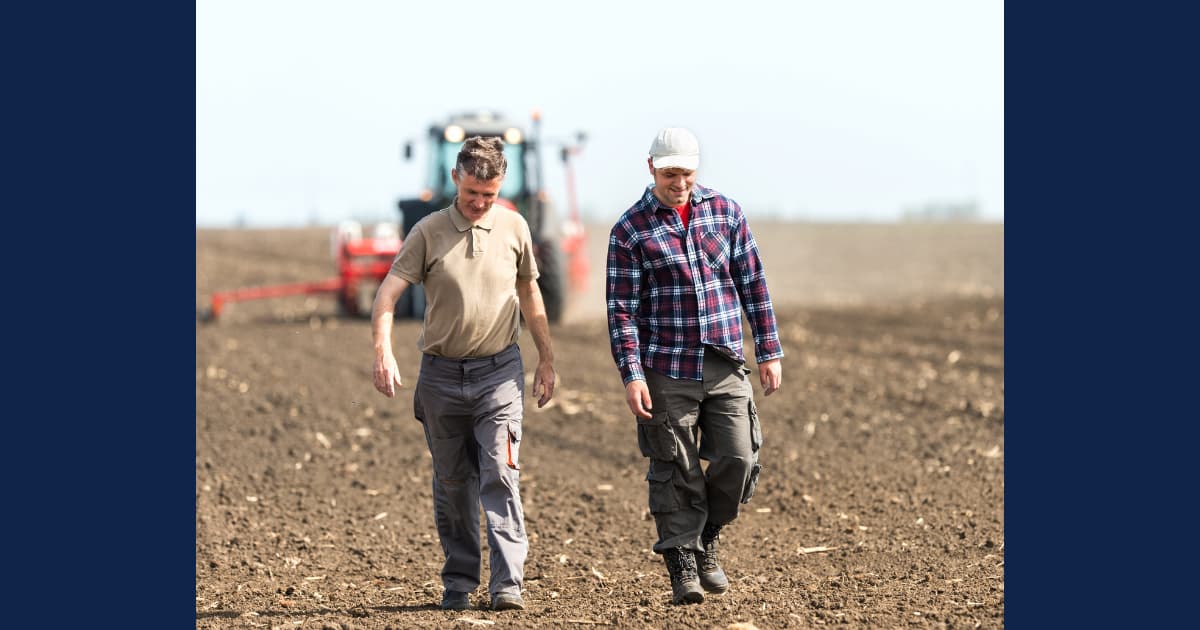
The world is hungry—not just for food, but for solutions. As climate change reshapes agriculture and consumer demand shifts toward sustainable practices, a new generation of agricultural professionals is emerging to meet these challenges. If you're considering your next academic step, there's never been a better time to pursue a Master of Science in Sustainable Agriculture.
The Perfect Storm: Why Sustainable Agriculture Careers are Booming
Climate Urgency Meets Market Demand
Sustainable agriculture roles are projected to grow 15% by 2025, driven by global climate and consumer demands. This isn't just a trend—it's a fundamental shift in how we approach food production, resource management, and environmental stewardship.
Consumer preferences have evolved dramatically. Today's shoppers actively seek organic, traceable, and responsibly grown food, creating unprecedented opportunities across the agricultural value chain. From farm to fork, every step requires professionals who understand both the science of sustainability and the economics of agriculture.
Technology is Revolutionizing the Field
Modern sustainable agriculture isn't your grandfather's farming. Data-driven roles (such as Agricultural Data Analyst, AI consultant, and Sustainability Consultant) are among the top earners, typically paying between $60,000–$100,000 USD annually, depending on region and specialization. The integration of artificial intelligence, precision farming, drone technology, and satellite monitoring has created entirely new career paths that didn't exist a decade ago.
Career Pathways: Where Your Graduate Degree Can Take You
Traditional Roles, Modern Applications
- Agricultural Scientist/Researcher: Lead groundbreaking research in crop genetics, soil health, and climate adaptation
- Farm Manager: Oversee sustainable operations using cutting-edge technology and data analytics
- Extension Agent: Bridge the gap between research institutions and farming communities
Emerging High-Demand Fields
- Sustainability Consultant: Help businesses and farms transition to environmentally responsible practices
- Agricultural Data Analyst: Use big data to optimize crop yields while minimizing environmental impact
- Food Systems Coordinator: Design and implement sustainable food distribution networks
- Carbon Credit Specialist: Navigate the growing market for environmental credits and offsets
Policy and Advocacy
- Agricultural Policy Analyst: Shape legislation that promotes sustainable practices
- Climate Adaptation Specialist: Develop strategies for agricultural resilience
- International Development Professional: Address global food security challenges
Why Lincoln University's MS in Sustainable Agriculture Sets You Apart
Hands-On Learning at Scale
Lincoln University doesn't just teach sustainable agriculture—we practice it. Our students gain practical experience at three working farms, including the Alan T. Busby Farm, one of the largest certified organic research farms in the Midwest. This isn't theoretical learning; it's real-world application where you'll work with aquaculture systems, integrated pest management, and diverse crop production.
Research That Matters
Our faculty aren't just educators—they're active researchers addressing the most pressing challenges in agriculture today. From Dr. Frieda Eivazi's soil science research to Dr. James Wetzel's aquaculture innovations, you'll work alongside experts who are literally shaping the future of sustainable agriculture.
Comprehensive Curriculum for Complex Challenges
The 30-credit MS program combines rigorous science with practical application:
- Core Foundation: Experimental design, soil management, plant nutrition
- Specialized Focus: Choose from areas like livestock production, watershed management, or food safety
- Research Excellence: Complete a thesis that contributes new knowledge to the field
Career Support That Works
Lincoln's graduate assistantship opportunities provide more than financial support—they're career development programs. Students gain teaching experience, operate farm equipment, present at conferences, and build professional networks that last a lifetime.
The Economics of Your Investment
Strong Return on Investment
Scientists are vital on regenerative farms to inform agricultural practices based on the quality of the soil, water, and air. Food scientists also study the nutritional content of the food we consume and genetically modify food to make it healthier for humans and more sustainable to produce. The diverse career opportunities mean your degree opens doors across multiple industries.
Growing Job Market
The sustainable agriculture job market is expanding beyond traditional farming. New careers and professions relating to local agriculture and food systems are emerging all the time – there are many more options than we can list here! From urban agriculture to food tech startups, your expertise will be in demand.
What Makes This Moment Different
Generational Knowledge Transfer
As experienced agricultural professionals retire, there's an urgent need for the next generation to step up. But today's challenges require more than traditional knowledge—they demand professionals who understand both sustainable practices and modern technology.
Global Impact, Local Solutions
Climate change is a global challenge, but solutions often start locally. Whether you're developing drought-resistant crops in Missouri or designing water-efficient irrigation systems for small farmers, your work will have implications far beyond your immediate community.
Innovation at the Intersection
The most exciting opportunities exist where agriculture meets other disciplines—technology, business, policy, and environmental science. Lincoln's interdisciplinary approach prepares you to work at these crucial intersections.
Your Next Step: Join the Solution
The challenges facing agriculture today are significant, but so are the opportunities to make a meaningful impact. Food security, climate change, resource conservation, and rural economic development—these aren't just career paths, they're callings for people who want their work to matter.
Lincoln University's MS in Sustainable Agriculture provides the scientific foundation, practical experience, and professional network you need to succeed in this dynamic field. With state-of-the-art laboratories, extensive research opportunities, and faculty committed to your success, you'll graduate ready to lead in whatever direction your passion takes you.
Ready to grow your future? The application process is straightforward, and our faculty are eager to discuss how our program can help you achieve your career goals. Whether you're coming from agriculture, environmental science, or a related field, there's a place for you in sustainable agriculture.
The world needs innovative solutions to feed a growing population while protecting our environment. The question isn't whether there will be opportunities in sustainable agriculture—it's whether you'll be prepared to seize them.
Contact the Lincoln University Graduate Studies office at (573) 681-5125 or gradschool@lincolnu.edu to learn more about our Master of Science in Sustainable Agriculture program. Your future in sustainable agriculture starts here.