
Partnership Aims to Transform Vacant Land Into Agricultural Opportunities
Office of Communications and Marketing
Young Hall
820 Chestnut Street
Jefferson City, MO 65101
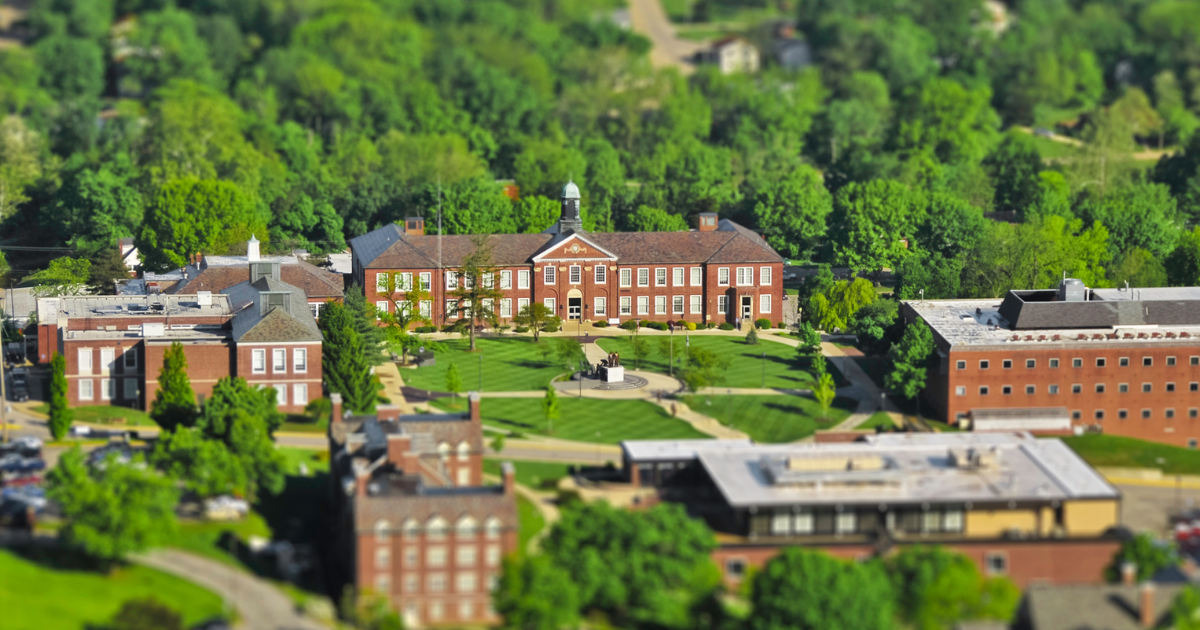 Lincoln University of Missouri has partnered with GRO Health Center to provide agricultural training and business development resources to North St. Louis residents, helping transform vacant properties into productive agricultural spaces that support food access, entrepreneurship and community revitalization.
Lincoln University of Missouri (LU) has partnered with GRO Health Center (GRO) to help transform vacant properties in North St. Louis into productive agricultural spaces, food businesses and community gathering areas. Through LU’s Innovative Small Farmers Outreach Program (ISFOP), the partnership offers an 11-session educational series designed to provide residents and aspiring entrepreneurs with the knowledge and resources needed for sustainable agricultural enterprises.
“We want participants to develop projects that reflect both their own ideas and the practical needs of the community,” said Nashad Carrington, a GRO representative working directly with ISFOP on the initiative.
The educational series began this fall, with each session addressing a different aspect of agricultural development. Participants receive guidance from LU Extension professionals and small-farm specialists on topics including soil health, crop selection, farm and garden planning, business development and market readiness. The sessions aim to help residents evaluate potential projects while making informed decisions and establishing viable operations.
“Our team will help participants develop the knowledge and practical skills needed to establish and maintain sustainable agricultural operations,” said Julia Thompson, an ISFOP area educator involved in the initiative. “Our goal is to help residents move beyond identifying opportunities and toward developing successful agricultural enterprises.”
The partnership supports the “GRO District,” a community-centered initiative of GRO focused on revitalizing the historic Hodiamont Tracks corridor in Lewis Place and surrounding North of Delmar (NoDe) neighborhoods. After decades of disinvestment, limited access to fresh food and declining business opportunities, the area includes properties that have remained vacant since the mid-1970s. These properties offer opportunities for agricultural production and economic development.
“The long-term goal is for residents to gain more than temporary access to programs,” Carrington said. “We want them to have lasting pathways to land stewardship, business ownership, employment, healthy food and community leadership.”
GRO founded its community development approach on the belief in food as a foundation for neighborhood transformation. The collaboration with LU emerged through the efforts of Mark Lucas, Ph.D., and his ISFOP team, alongside GRO founder and Director of Development E'Lisa Moss. As an LU alumna, Moss emphasized the importance of aligning the initiative with the university's mission to serve small agricultural producers and historically underserved communities.
Each organization contributes expertise essential to the district's development. Together, the organizations connect local knowledge with practical agricultural training to help participants pursue realistic and sustainable projects.
“Our overall objective is to connect education with action, equipping participants with the resources, confidence and technical support necessary to turn vacant land into productive agricultural spaces,” Thompson said.
Beyond individual agricultural operations, the initiative seeks to strengthen the surrounding community through economic growth and environmental improvements. Transforming vacant properties into productive spaces can create new sources of income while encouraging residents to invest in their local economy. Increased agricultural activity also offers opportunities for younger generations to become involved in agriculture while helping families build lasting financial stability.
Although the GRO District concentrates its efforts in North St. Louis, its broader vision seeks to strengthen relationships among growers, food entrepreneurs, institutions and consumers throughout the St. Louis region and Missouri. By combining LU’s agricultural expertise with GRO’s community-driven approach, the partnership aims to turn long-vacant properties into lasting opportunities for food production, entrepreneurship and neighborhood revitalization.